
In recent years, there’s been a noticeable shift in the beauty industry towards organic skincare products. As consumers become more conscious of their health and the environment, the demand for natural ingredients in skincare has surged. In this article, we will delve into my experience with the latest organic products on the market, exploring their effectiveness, benefits, and why they are a superior choice for your skin care routine.
- 1 The Rise of Organic Skincare
- 2 Benefits of Organic Skincare
- 3 Navigating the Organic Skincare Market
- 4 Incorporating Organic Skincare into Your Routine
-
5
FAQ
- 5.1 What are the main benefits of using organic skincare products?
- 5.2 How can I identify genuine organic skincare products?
- 5.3 Are organic skincare products suitable for all skin types?
- 5.4 Do organic skincare products have a shorter shelf life than conventional products?
- 5.5 Can organic skincare products be as effective as conventional ones?
The Rise of Organic Skincare
Over the past decade, the skincare industry has witnessed a profound transformation. Traditional beauty products often contained a plethora of chemicals that could potentially harm our skin and overall health. This growing concern among consumers has given rise to the popularity of organic skincare products.
The allure of organic skincare lies in its use of natural ingredients that are free from synthetic additives, parabens, and sulfates. These products are designed to nourish and enhance our skin’s natural beauty without exposing it to harmful chemicals. My journey with organic skincare began as I sought healthier alternatives to conventional products.
One of the first things I noticed when switching to organic products was the difference in texture and fragrance. Products like coconut oil, which is known for its moisturizing properties, felt smoother and more luxurious on my skin. The absence of synthetic fragrances meant I was greeted by the subtle, natural scent of the ingredients, which was a refreshing change from the overpowering artificial scents of traditional products.
The transition to natural skin care was not without its challenges. It took some time for my skin to adjust to the new regimen, but the results were worth the wait. My skin felt more hydrated, less irritated, and had a noticeable glow. The effectiveness of these products can largely be attributed to the organic ingredients used, which are rich in vitamins, minerals, and antioxidants.
Benefits of Organic Skincare
The benefits of using organic skincare products go beyond just surface-level improvements. They play a crucial role antioxidants play in protecting our skin from environmental damage. Unlike chemical-laden products, organic skincare formulations are designed to work in harmony with our skin’s natural processes.
One of the most significant benefits of organic skincare is its ability to promote healthier skin. Natural ingredients like coconut oil, shea butter, and aloe vera are known for their moisturizing and healing properties. These ingredients not only hydrate the skin but also help in repairing damaged cells and reducing inflammation.
Moreover, organic skincare is less likely to cause allergic reactions or irritations. Many conventional beauty products contain harsh chemicals that can strip the skin of its natural oils, leading to dryness and sensitivity. In contrast, organic products are gentle and nurturing, making them suitable for all skin types, including sensitive skin.
Environmental sustainability is another compelling reason to choose organic products. The production of organic ingredients typically involves sustainable farming practices that are kinder to the planet. These practices reduce the use of pesticides and fertilizers, thereby decreasing the overall environmental footprint. By opting for natural organic skincare, we contribute to a more sustainable future.
Additionally, the skincare industry has seen an influx of brands dedicated to creating high-quality organic products. These brands prioritize transparency and sustainability, offering consumers peace of mind knowing they are using products that are both effective and environmentally conscious. From facial serums to body lotions, there is an organic alternative for virtually every skincare product on the market.
With the increasing popularity of organic skincare, the market is now flooded with countless options. Navigating through this plethora of choices can be daunting. However, understanding how to identify truly organic products can make the process much easier.
Firstly, it’s essential to look for certifications from reputable organizations. Certifications such as USDA Organic or COSMOS Organic guarantee that the products meet specific standards for organic ingredients and production methods. These certifications can provide assurance that the product is genuinely organic and free from harmful chemicals.
Reading ingredient labels is also crucial. Ingredients are typically listed in descending order of concentration, so the first few ingredients are the most significant. Look for products where natural ingredients like coconut oil, aloe vera, and green tea extract rank high on the list. Avoid products with long lists of unrecognizable chemicals, as these are likely to be synthetic additives.
Another important factor to consider is the brand’s philosophy and mission. Brands that are truly committed to organic skincare often have a transparent approach to their ingredient sourcing and production practices. They are likely to provide detailed information about their ingredients, where they come from, and how they are processed.
During my exploration of the organic skincare market, I discovered several standout brands that I now love. These brands prioritize quality and sustainability, offering products that are not only effective but also ethical. For instance, brands like Dr. Bronner’s, True Botanicals, and Herbivore Botanicals have earned my trust with their commitment to using pure, natural ingredients and eco-friendly practices.
Incorporating Organic Skincare into Your Routine
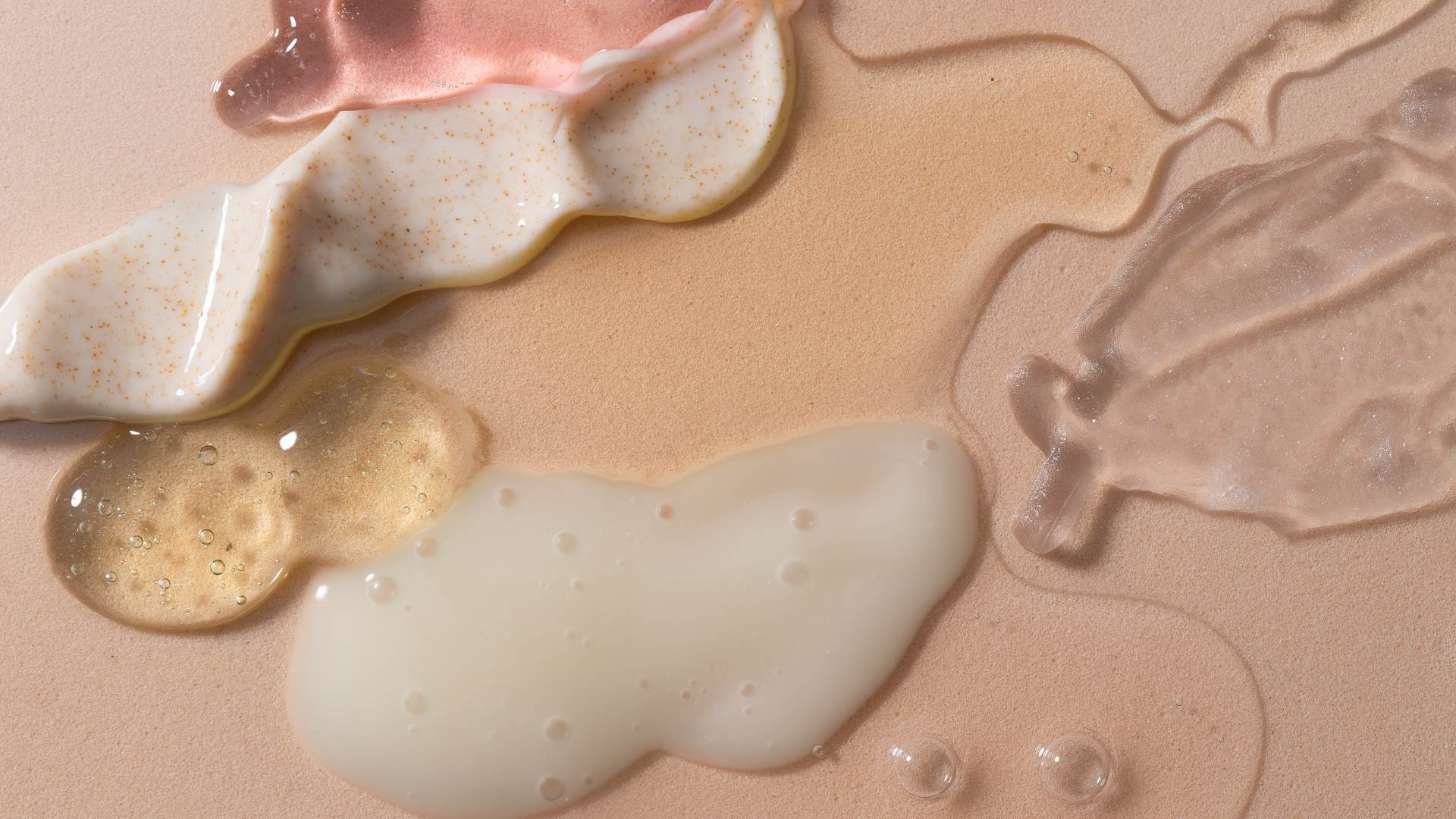
Incorporating organic skincare products into your daily routine can transform your skin care regimen. Here are some tips on how to seamlessly integrate these products for optimal results.
Start by identifying your skin type and specific needs. Whether you have dry, oily, combination, or sensitive skin, there are organic products tailored to address your unique concerns. For instance, if you have dry skin, look for deeply hydrating ingredients like coconut oil and shea butter. If you have oily skin, products with ingredients like tea tree oil and witch hazel can help balance oil production.
A basic organic skincare routine should include a gentle cleanser, a toner, a moisturizer, and sunscreen. For cleansing, choose a product that effectively removes impurities without stripping your skin of its natural oils. A good toner can help to balance your skin’s pH levels and prepare it for better absorption of subsequent products.
Moisturizing is a critical step in any skincare routine. Organic moisturizers often contain ingredients like jojoba oil, aloe vera, and hyaluronic acid, which provide intense hydration and nourishment. Don’t forget to apply sunscreen daily to protect your skin from harmful UV rays. Look for mineral-based sunscreens that use zinc oxide or titanium dioxide instead of chemical UV filters.
In addition to these basics, consider incorporating targeted treatments based on your skin’s needs. For example, if you are dealing with acne, an organic serum with ingredients like salicylic acid or tea tree oil can help reduce breakouts. For anti-aging benefits, look for products rich in antioxidants like vitamin C, which can aid in reducing the appearance of fine lines and wrinkles.
Regular exfoliation is also important to remove dead skin cells and promote cell turnover. Gentle exfoliants with natural ingredients like sugar or oatmeal can be used once or twice a week to keep your skin smooth and radiant.
Our journey through the world of organic skincare products has been enlightening and transformative. By choosing products that harness the power of natural ingredients, we can achieve healthier, more radiant skin while also supporting environmentally sustainable practices. The benefits of organic skincare are numerous, from reduced irritation and allergies to the nourishing properties of natural ingredients.
As we continue to explore and embrace the offerings of this evolving market, it’s clear that natural beauty products are here to stay. They offer a more conscientious approach to skin care, combining efficacy with ethical values. By making informed choices and prioritizing organic ingredients, we can enjoy the best that nature has to offer for our skin.
In conclusion, my experience with the latest in organic skincare products has been overwhelmingly positive. These products have not only improved the health and appearance of my skin but have also aligned with my values of sustainability and natural beauty. If you are considering a switch to organic skincare, I highly recommend taking the leap. Your skin will thank you, and you’ll feel good knowing you are making a healthier choice for yourself and the planet.
FAQ
What are the main benefits of using organic skincare products?
Organic skincare products are made from natural ingredients that are free from harmful chemicals and synthetic additives. This means they are gentler on the skin, reducing the risk of irritation and allergic reactions. Additionally, these products often contain higher levels of beneficial nutrients, antioxidants, and vitamins that can help to nourish and rejuvenate the skin.
How can I identify genuine organic skincare products?
To ensure you are purchasing genuine organic skincare products, look for certifications from recognized organic certification bodies. These certifications often appear on the product packaging. Additionally, check the ingredient list for natural and organic components, and avoid products that contain synthetic chemicals, artificial fragrances, and preservatives.
Are organic skincare products suitable for all skin types?
Yes, organic skincare products are generally suitable for all skin types. Because they are made from natural ingredients, they are less likely to cause irritation and can be beneficial for sensitive skin. However, it’s always advisable to perform a patch test before using a new product, especially if you have specific skin concerns or allergies.
Do organic skincare products have a shorter shelf life than conventional products?
Organic skincare products might have a shorter shelf life compared to conventional products because they do not contain synthetic preservatives. However, many organic products use natural preservatives and packaging techniques to extend their shelf life. It is important to store these products in a cool, dry place and use them within the recommended time frame.
Can organic skincare products be as effective as conventional ones?
Yes, organic skincare products can be just as effective as conventional ones, if not more so. The natural ingredients used in organic products often contain a higher concentration of active compounds that can benefit the skin. Over time, regular use of organic skincare can lead to healthier, more radiant skin without the potential side effects associated with synthetic chemicals.